
Mitochondrial Biogenesis: The Powerhouse of Endurance
Mitochondrial Biogenesis • Metabolic Flexibility • Zone 2
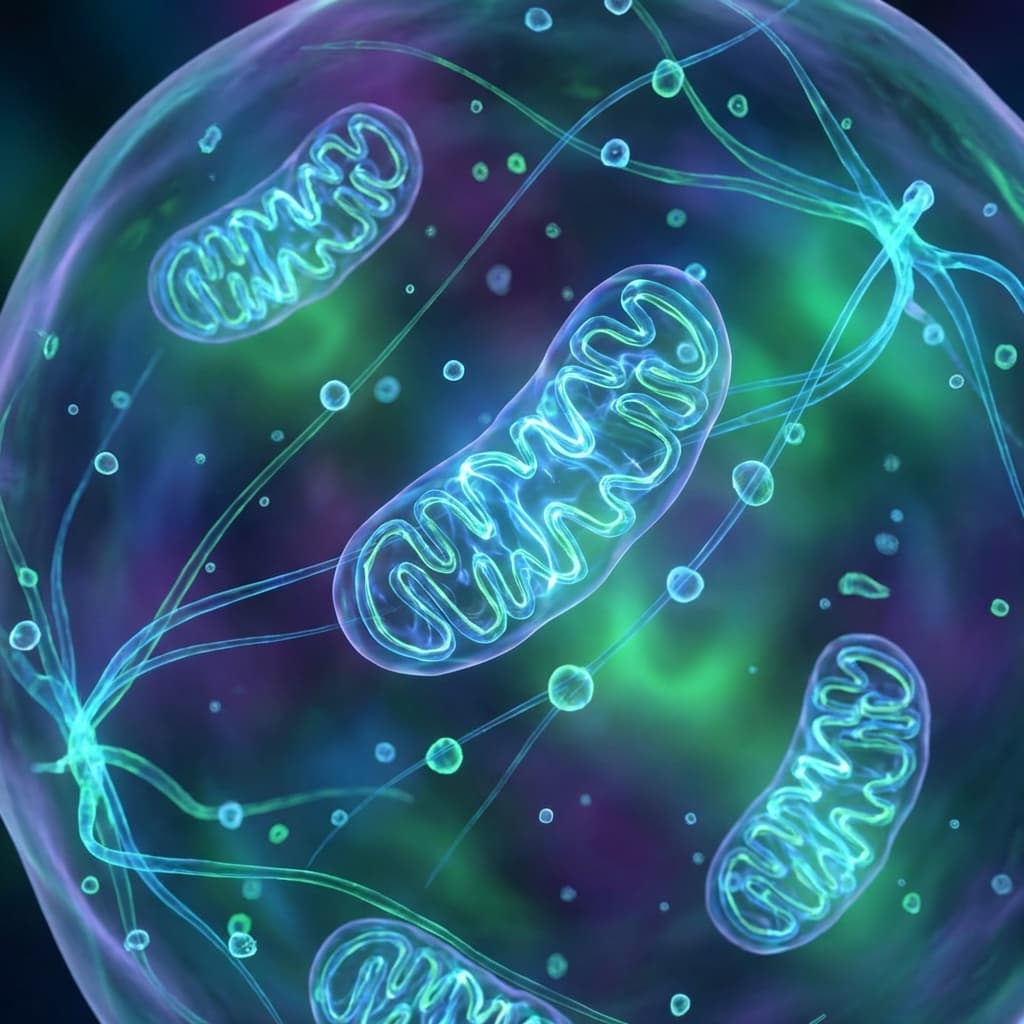
Human performance is a function of energy availability. While most focus on the fuel (food) and the output (movement), the real magic happens in the engine: the mitochondria. **Mitochondrial Biogenesis** is the biological process by which cells increase their individual mitochondrial mass to meet rising energy demands. This article explores the molecular logic of "upgrading your engine" through **HobbyTier's** metabolic standards.
1. PGC-1α: The Master Coordinator
The process of building new mitochondria is orchestrated by a protein complex called **PGC-1α** (Peroxisome proliferator-activated receptor-gamma coactivator 1-alpha). It acts as a transcriptional "Master Switch."
When you engage in low-intensity, long-duration exercise, you trigger a spike in calcium signaling and AMPK (Adenosine Monophosphate-activated Protein Kinase). These signals activate PGC-1α, which then enters the nucleus to signal the birth of new mitochondria. Chronic activation of this pathway is what separates an elite endurance athlete from a sedentary individual.
Bioenergetic Flux Matrix (Virtual Example)
Analyzing the relationship between exercise intensity and the resulting mitochondrial stimulus.
| Training Intensity | Primary Pathway | Molecular Driver | Mitochondrial Effect |
|---|---|---|---|
| Zone 2 (Endurance) | Fat Oxidation | PGC-1α / AMPK | Increased Density (Biogenesis) |
| Zone 4 (Threshold) | Mixed Substrate | SIRT1 / p38 MAPK | Increased Enzyme Efficiency |
| Zone 5+ (Sprints) | Glycolysis | mTOR / AMPK ratio | Mitochondrial Fragmentation (Mitophagy) |
The table demonstrates why "Zone 2" is the high-ROI training for endurance. It provides the longest, cleanest signal for building *more* mitochondria without the excessive oxidative stress that triggers mitochondrial breakdown (Mitophagy).
2. Substrate Selection: The Randle Cycle
**Metabolic Flexibility** is the ability of the cell to switch fuels efficiently. This is governed by the **Randle Cycle**, which describes the competition between glucose and fatty acids for entry into the mitochondria.
In a metabolically flexible individual, low-intensity movement triggers high fat oxidation. In someone who is "metabolically stiff" (often due to hyperinsulinemia), the body remains locked in sugar-burning mode even at rest. Building more mitochondria through biogenesis is the only way to "unlock" your fat-burning potential by providing more "ovens" to burn the fat in.
3. Fatty Acid Oxidation: The Rate-Limiting Barriers
Building the engine is only half the battle; you must also improve the fuel delivery. Fat oxidation is limited by three key enzymes:
- HSL (Hormone-Sensitive Lipase): Breaks down fat in the adipose tissue. Inhibited by insulin.
- CD36: The transporter that carries fatty acids across the cell membrane.
- CPT1 (Carnitine Palmitoyltransferase 1): The "shuttle" that brings fat into the mitochondria.
Frequent Zone 2 training increases the density of these enzymes, effectively widening the pipe through which fuel can flow into the cell.
4. Case Study: Mitochondrial Efficiency in Elite Endurance Athletes
Observe how the world's most efficient "engines" utilize biogenesis to dominate competition.
The Norwegian Method Analysis
The "Norwegian Method" (utilized by athletes like Kristian Blummenfelt) focuses on high volumes of training just below the first lactate threshold (LT1). By spending thousands of hours in this "low-flux" state, they induce an extreme level of mitochondrial biogenesis.
Their mitochondria are so dense that they can oxidize fat at rates up to 1.5g/min even at high intensities. This allows them to "spare" their precious muscle glycogen for the final sprint of an Ironman or Olympic triathlon. Their success is a direct result of biological "engine building" through PGC-1α signaling.
5. AMPK vs. mTOR: The Metabolic Balancing Act
Molecular biology is a series of trade-offs. You cannot maximize everything at once.
Anabolic vs. Catabolic Signaling Matrix (Virtual Example)
Comparing the primary pathways that drive endurance (biogenesis) versus those that drive strength (hypertrophy).
| Pathway | Primary Goal | Energy Status | Effect on Mitochondria |
|---|---|---|---|
| AMPK | Efficiency / Biogenesis | Low (ATP Depleted) | Proliferation (New Powerhouses) |
| mTOR | Expansion / Hypertrophy | High (Surplus) | Inhibition (Growth over Efficiency) |
This "Interference Effect" is why high-volume endurance training can sometimes stunt strength gains. The cell priorities survival and efficiency (AMPK/Biogenesis) over size and power (mTOR/Hypertrophy) when energy is scarce.
6. Common Pitfalls in Metabolic Flexibility Training
- Training Too Hard: Spending too much time in Zone 3 ("Garbage Miles") where lactate inhibits the CPT1 fat-shuttle, preventing the fat-burning machinery from being trained.
- Constant Sugar Ingestion: Ingesting glucose during every low-intensity session. This keeps insulin high and deactivates HSL, ensuring the body never practices fat oxidation.
- Neglecting Recovery: Failing to realize that the *adaptation* (biogenesis) happens during sleep, not during the run itself. High cortisol from overtraining inhibits the PGC-1α signal.
- Chronic Caloric Surplus: Never allowing the cell to enter a "Low Energy" state (AMPK spike), which is a necessary catalyst for the biogenesis signal.
- Lack of consistency: Mitochondrial density can decrease rapidly (within 7-14 days) if the regular stimulus is removed. You cannot "store" endurance long-term.
7. FAQ
How long does it take to build new mitochondria?
Measurable increases in mitochondrial enzymes can be seen in as little as 2-4 weeks of consistent training, but total density shifts typically require 6-12 months of high-volume work.
Does Fasted Cardio help biogenesis?
Yes. By training in a state of low-insulin and low-glycogen, you amplify the AMPK signal, which directly increases the activation of PGC-1α and hence the biogenesis stimulus.
Can I take supplements for biogenesis?
CoQ10, PQQ, and even Creatine can support mitochondrial health, but they are not a substitute for the mechanical and chemical signal provided by physical movement.
*All HobbyTier content is based on general performance data and should not be taken as medical advice.
Always consult with a professional before starting new training protocols.
Document info
- Author: HobbyTier Editorial Team
- Updated: 2026-02-09
- Change summary:
- Detailed cellular adaptations through endurance training.
- Expanded PGC-1α signaling pathway and oxidative capacity development.