
K-Standard vs. Global Standard: The Evolution of Gym Tiers
Fitness Benchmarks • Strength Standards • Cross-Country Comparison
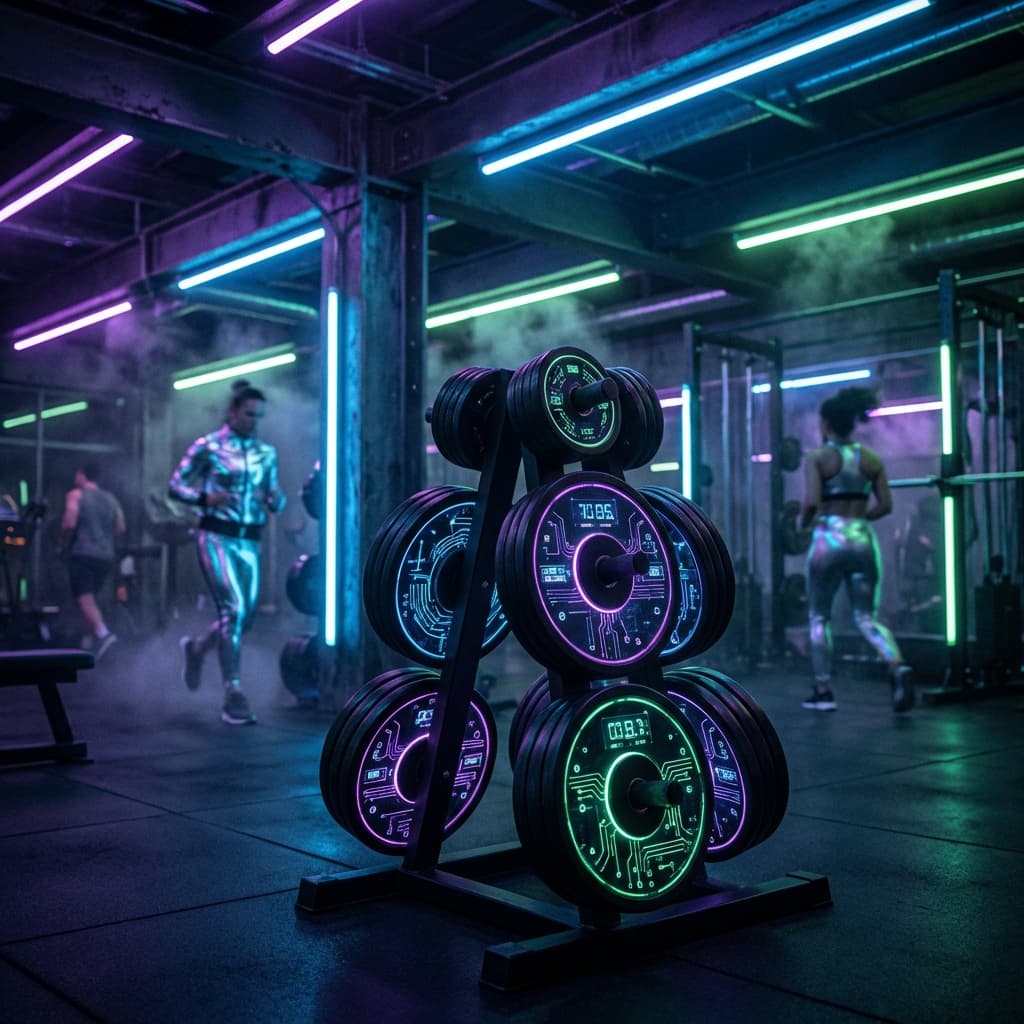
Human performance data is often presented as a biological constant. However, the way we express strength is profoundly shaped by our cultural landscape. From the "3-Dae-500" obsession in South Korea to the versatile "GPP" (General Physical Preparedness) norms of the West, fitness standards are as much a sociological phenomenon as a physical one. This article explores the **"K-Standard"** and its place in the global hierarchy of hobbies, utilizing **HobbyTier's** normalization data.
1. The 3-Dae-500 Phenomenon: Korea's Rite of Passage
In South Korea, the **"3-Dae-500"** (a combined total of 500kg across Squat, Bench, and Deadlift) has transformed from a powerlifting milestone into a mainstream cultural metric. While globally, a 500kg total typically places an amateur in the 'Advanced' category, the high-density, hyper-competitive nature of Korean gym culture has shifted the "Standard" for serious hobbyists significantly higher.
This cultural drive leads to **Performance Bias**. Korean hobbyists tend to have an exceptionally deep understanding of SBD-specific biomechanics but may lack the multi-modal versatility found in other global regions. They are, in essence, "specialized hobbyists."
Regional Strength Benchmarks (Virtual Example)
Comparing the average performance markers for the 'Advanced Amateur' tier across different geographic hubs.
| Hub Name | Priority Lift | Avg. SBD Total (kg) | Versatility Score |
|---|---|---|---|
| East Asian (K-Standard) | High-Bar Squat | 485 - 515 | Tier 5 (Specialized) |
| North American (West) | Deadlift / Clean | 420 - 450 | Tier 2 (Hyper-Versatile) |
| Eastern European | Overhead Press | 440 - 470 | Tier 3 (Structural Focus) |
The data reveals that mentre the K-Standard produces higher SBD totals, the "Versatility Score"?which includes aerobic capacity (VO2max) and mobility markers—is often traded off. This is a classic case of **Hobby Arbitrage**: choosing which metrics of fitness to value most based on your immediate peer group.
2. Performance Bias: The Specialized vs. The Versatile
The "Global Standard" (largely influenced by US and Australian fitness trends) has pivoted aggressively toward **The Hybrid Athlete**. In this model, strength is not impressive unless it is paired with endurance. A 200kg Deadlift paired with a 4-hour marathon is considered the new "Gold Standard."
In contrast, the K-Standard remains deeply rooted in the **Aesthetics-Strength Loop**. Success is defined by looking like a bodybuilder while lifting like a powerlifter. This creates a unique biomechanical profile: high muscle density and high neural drive, but often limited by lower-than-average aerobic thresholds (VT1).
3. Gym-Density Index: Socio-Economic Drivers
Korea's fitness explosion is powered by urban geography. Seoul has one of the highest "Gyms-per-Square-Kilometer" ratios in the world. This density facilitates highly frequent training sessions and immediate access to elite equipment $(Eleiko, Prime, Hammer)$. In many Western countries, accessing such equipment requires a 30-40 minute drive, creating a natural barrier to entry that the K-Standard has effectively demolished.
4. Example: Decoding Regional Variances in SBD Averages
How do we compare a 500kg total in Seoul versus a 500kg total in London?
The Normalization Audit
Using the **HobbyTier DOTS Normalization**, we find that a 500kg total at 80kg bodyweight in Korea sits at the 85th percentile of gym members. In the UK, that same total sits at the 92nd percentile.
This 7% gap is the **"Cultural Premium."** Because the competition is higher in Korea, the relative "status" of a 500kg total is lower. To reach the same "Tier 1" status in Korea that one might hold in the UK, a Korean athlete must push toward a 540kg+ total. This is why many regional athletes feel "plateaued"?they are fighting a cultural ceiling, not a biological one.
5. The Hybrid Athlete Model: Bridging Regional Gaps
The future of the "Standard" is hybridization. We are seeing a convergence where Korean athletes are adopting Western aerobic protocols (Zone 2, VO2max training) and Western athletes are adopting East Asian specialization techniques for hypertrophy and technical mastery.
Universal Performance Index (Virtual Example)
The proposed framework for a global, multicultural fitness standard.
| Metric Type | The "Floor" (Standard) | The "Ceiling" (Elite) | Normalization Weight (%) |
|---|---|---|---|
| SBD Total x BW | 4.0x BW | 6.5x BW | 40% |
| VO2max (Relative) | 40 ml/kg/min | 65 ml/kg/min | 30% |
| Functional Mobility | FMS Scale 14 | FMS Scale 18+ | 30% |
By moving toward this **Universal Index**, athletes can benchmark themselves against the best in the world, regardless of their local gym's "Standard."
6. Biomechanics vs. Aesthetics: The Gendered Standard Shift
The rise of the **"Geun-Seong"** (Muscle Spirit) culture among Korean women has shifted the standard from "Cardio-only" to "Strength-priority." Today, a 100kg Squat for a female hobbyist in Korea is considered the new entry-level "Standard," a metric that is increasingly being adopted by global regions as the "strong-is-beautiful" movement matures.
7. Common Pitfalls in Regional Performance Benchmarking
- Regional Echo Chambers: Believing you are "at the top" because you are the strongest in a small gym, rather than checking global percentile data.
- Metric Obsession: Focusing only on the SBD total (K-Standard bias) while ignoring cardiovascular markers that ensure longevity and recovery.
- Equipment Variance: Comparing PRs set on a stiff "commercial" bar to those set on a specialized power bar or Eleiko competition plates.
- Ignoring Relative Strength: Failing to adjust for bodyweight $(DOTS/Wilks)$. A 500kg total at 70kg is a completely different athletic achievement than 500kg at 110kg.
- Sociological Pressure: Attempting to reach a cultural "Standard" (like 3-Dae-500) before your tendons and ligaments have undergone the 24-36 months of necessary adaptation.
8. FAQ
Does the 'K-Standard' really exist?
Yes. While not an official body, the '3-Dae-500' meme has acted as a decentralized quality standard, forcing a massive percentage of the Korean male population into structured powerlifting training.
Why is Western fitness more 'Functional'?
Western fitness culture was heavily influenced by the military (GPP) and later by CrossFit, which prizes versatility over absolute peaks. It prioritizes surviving a variety of tasks over excelling at three specific ones.
How do I find my 'Global Tier'?
Use the **HobbyStat Global Normalization Tool**. We aggregate data from IPF, CrossFit Open, and regional gym databases to provide a single Tier (1-7) that reflects your standing against the planetary mean.
*All HobbyTier content is based on general performance data and should not be taken as medical advice.
Always consult with a professional before starting new training protocols.
Document info
- Author: HobbyTier Editorial Team
- Updated: 2026-02-09
- Change summary:
- Compared Korean '3 Major 500' cultural standard with global DOTS/Wilks systems.
- Unified regional and international strength benchmarks into a single tier framework.